Most homes don't have a spare room waiting to become a study. The corner works anyway — if you get three unglamorous details right: light, storage within arm's reach, and a boundary everyone respects.
Light decides everything
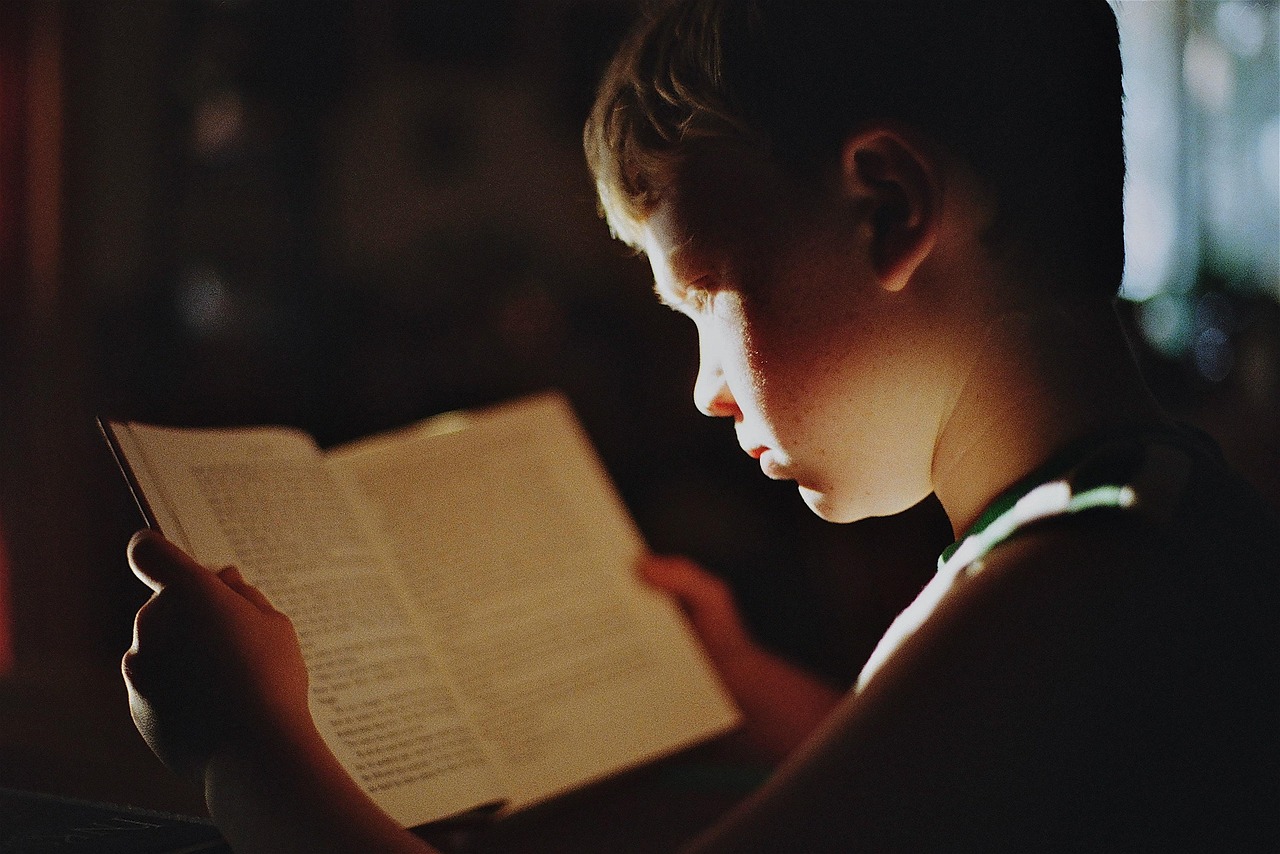
A child will not sit where the light is bad, whatever the furniture cost. The lamp should light the page from the side opposite the writing hand — left-side light for right-handers — so the hand never shadows the words. Warm-white bulbs read cosier, but neutral white keeps homework-time alertness up; save the warm bulb for the bedside.
Arm's reach or it doesn't exist
Every school-day object must be reachable without leaving the chair: one shelf or desktop caddy with the current textbooks, one drawer or box for stationery, one hook on the wall for the timetable. The moment supplies live across the room, the corner becomes a place to sit near homework rather than do it.
- Current term's books only at the desk — last term's go to a cupboard shelf.
- One pen pot, deliberately small. Overflow breeds mess, and mess repels children more than we admit.
- A cheap cork board or even a string with clips: displaying finished work is quiet motivation.
The boundary is the feature
The corner needs an edge the whole family honours. It can be as simple as a floor mat under the chair or the side of a bookshelf — but inside that edge, no folded laundry, no dinner plates, no younger sibling's toys. A child who sees their space respected starts defending it themselves, and that is the habit you were actually trying to buy with the desk.
Start with the light this weekend. The rest follows.