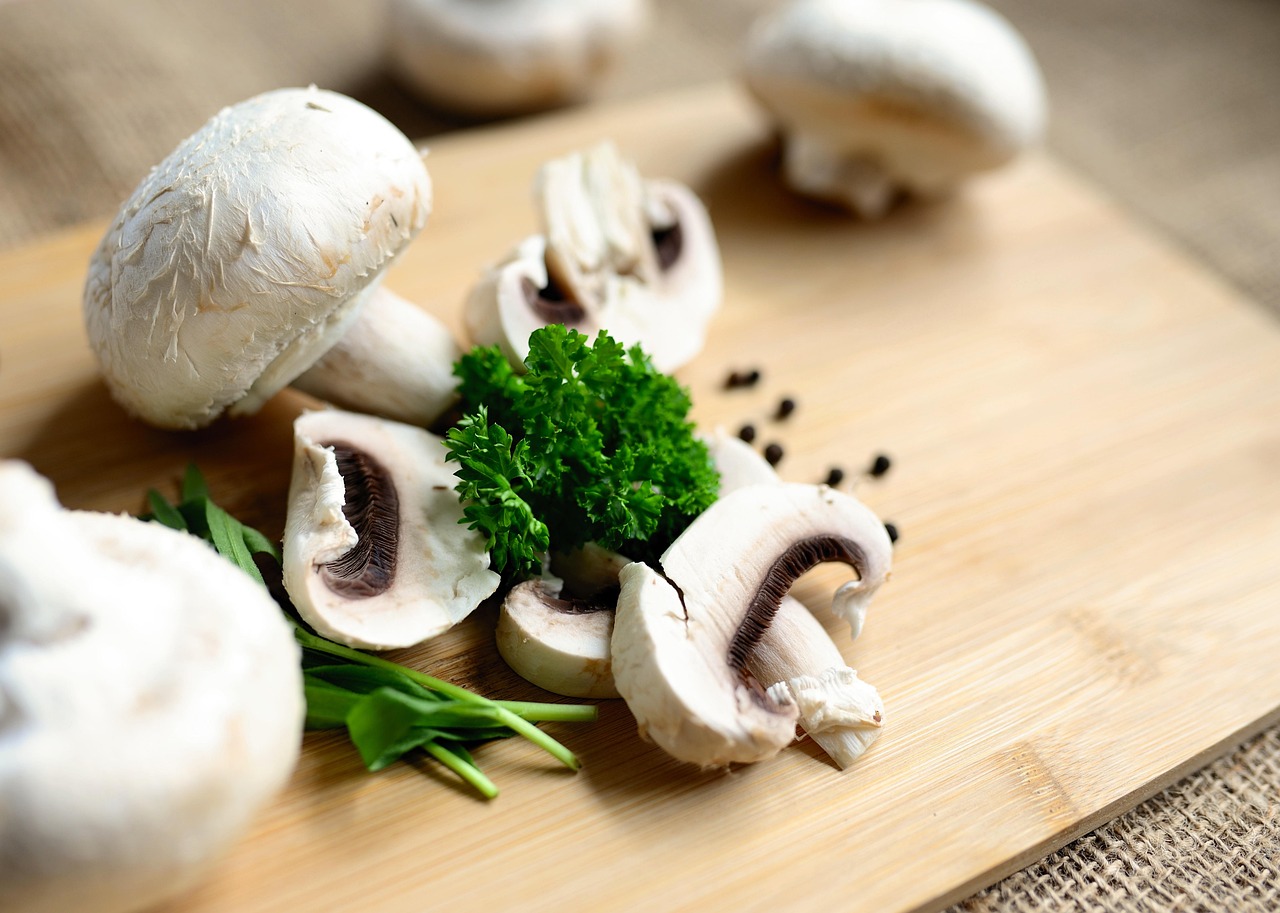
The internet's version of meal prep — five identical containers of Sunday-cooked dinner — collides head-on with the Indian kitchen's deepest belief: khana should be taza. The version that survives contact with our households is component prep. You do not cook meals ahead; you cook the slow layers ahead, so weeknight cooking drops from an hour to twenty minutes.
The ninety-minute Sunday block
The bhuna masala base (40 min, mostly unattended). Two kilos of onions and one of tomatoes, slow-cooked with ginger-garlic into the dark, oil-separating base that is the real time cost of every weeknight gravy. Cool it, portion it into six boxes, refrigerate three and freeze three. Sabzi, rajma, paneer, egg curry — each starts eighty per cent finished.
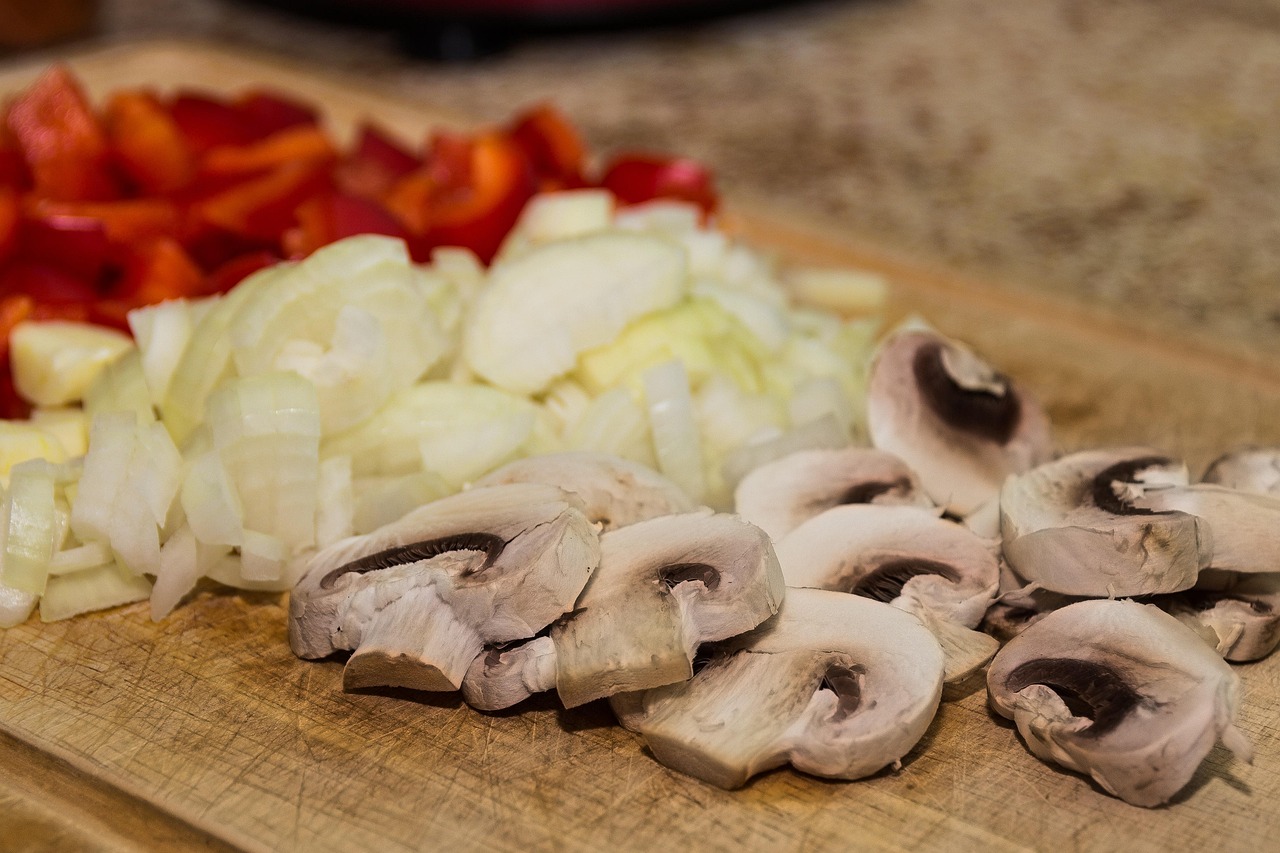
Boiled and blanched (30 min, parallel). While the masala cooks: a batch of boiled chana or rajma in the cooker, potatoes for two dinners, and blanched palak ready to become saag in minutes. All keep four to five days refrigerated.
The chop-ahead box (20 min). Beans stringed and cut, gobi in florets, bhindi topped-and-tailed but — important — kept bone dry. Wet bhindi prepped ahead is how you learn regret.
What deliberately stays fresh
- Roti and rice — daily, non-negotiable, and quick once everything else is ready.
- Tadkas — thirty seconds of fresh tadka makes prepped dal taste like it never saw a fridge.
- Salads and raita — assembled in the two minutes the rotis rest.
Why this works when full meal-prep fails
Dinner still smells like cooking, tastes like tonight's food, and flexes with the day's mood — but the hour of chopping and slow bhuno-ing already happened while Sunday's podcast played. The freezer boxes are the insurance policy: on the truly sunk evenings, base plus boiled chana plus twenty minutes equals a chole that beats anything an app can deliver.