We tried banning screens and it lasted four days. What worked instead was scheduling one thing better than the screen: a weekly game night with snacks that only appear on game night. Bribery? Absolutely. Effective? Two years running.
Games that survive three generations
- Ludo and Snakes & Ladders — mock them all you want; the six-year-old and the grandmother are equals on that board, and that equality is precisely the magic.
- Carrom — the sound of the striker alone summons neighbours. Keep the boric powder in the same box as the coins or you will hunt for it every single week.
- Card classics — Satte pe Satta, Bluff, and Rummy for the older kids. A double pack costs less than one pizza and lasts a decade.
- Antakshari and Dumb Charades — zero equipment, infinitely scalable, and the only games where the aunties reliably outperform the teenagers.
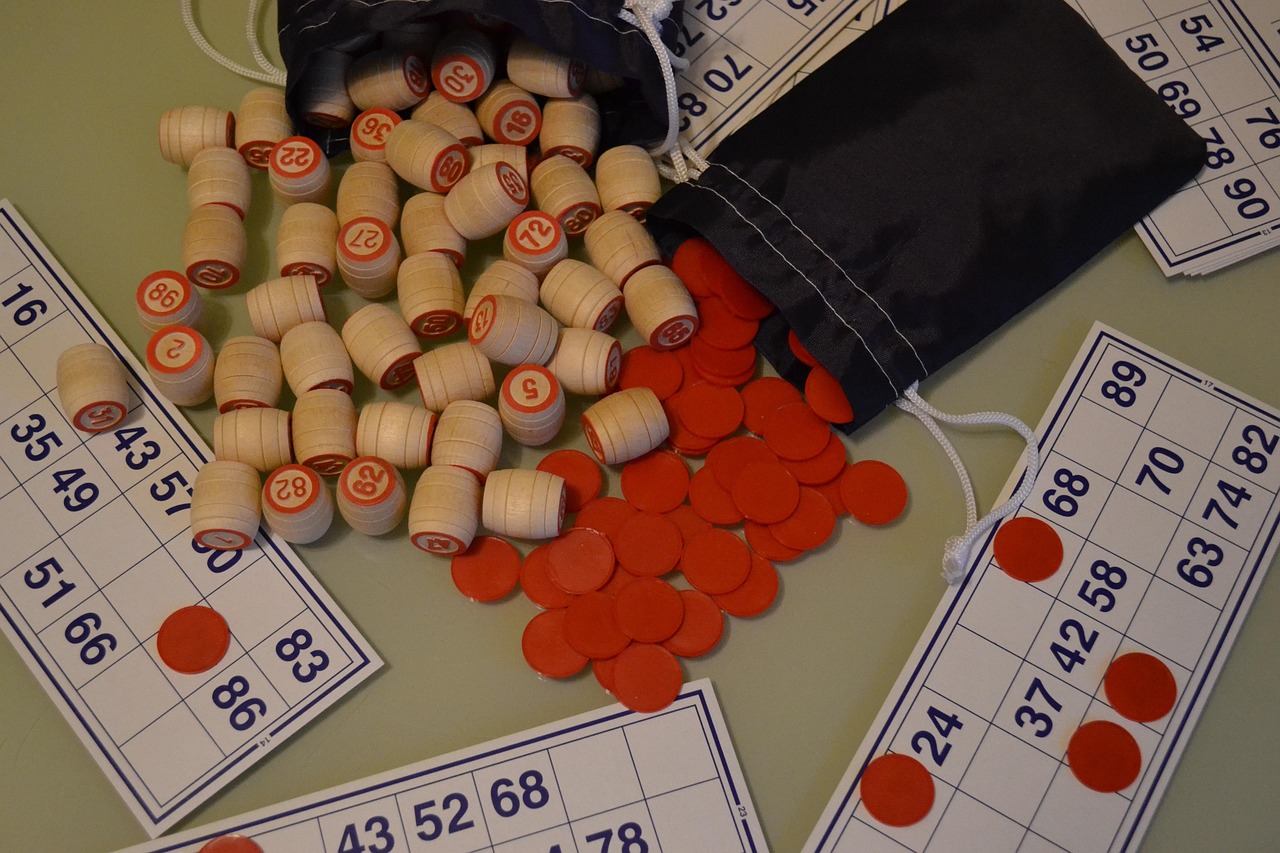
- Tambola — nominate a caller with flair; the caller makes or breaks it. Small stakes — chocolate, chore passes — keep everyone honest.
The rules that keep it alive
Same day, same time, every week. Negotiating the slot weekly is how the ritual dies. Ours is Friday after dinner; miss it and it simply doesn't move to Saturday — scarcity protects it.
Phones in the basket, adults first. The children police this rule with a zeal that borders on frightening, and they are right to.
Rotate the chooser. Whoever picks the game also explains the rules and settles disputes. A seven-year-old adjudicating Bluff for their grandfather is worth the entire evening.
The screens will still be there at bedtime. The evening, briefly, belongs to the table.