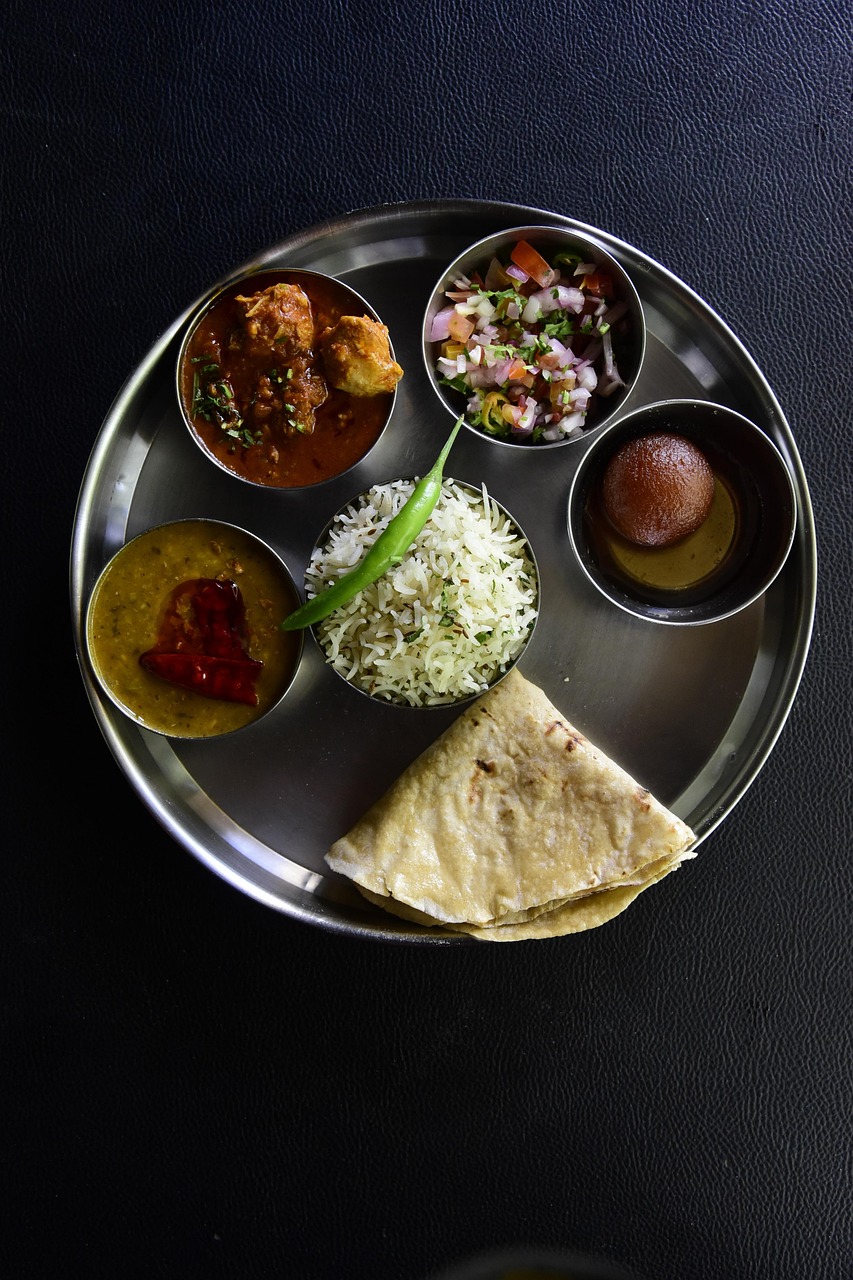
Long before nutrition apps began counting macros, the Indian thali was quietly doing the job: a grain, a dal, a vegetable, a raita, something fermented or pickled, and a little fat. The format is so good that planning around it — rather than around individual recipes — is the single best upgrade a home kitchen can make.
The template, not the menu
A thali is a template with six slots. Fill the slots, and the meal balances itself:
- Grain — roti, rice, or both in small portions
- Dal or legume — the protein anchor
- Seasonal sabzi — whatever is cheap this week is also what is freshest
- Raita or curd — probiotics and cooling
- Something sharp — pickle, chutney, a wedge of lemon
- Fat — the ghee on the dal, the oil in the tadka; it carries the fat-soluble vitamins
Budget mechanics
The thali is naturally frugal because it treats vegetables and dals as ensemble cast, not soloists. A quarter kilo of beans feeds four when it is one dish among five. The expensive mistake in most kitchens is the single-hero dinner — one elaborate dish that needs a full kilo of the main ingredient.
The weekly rotation
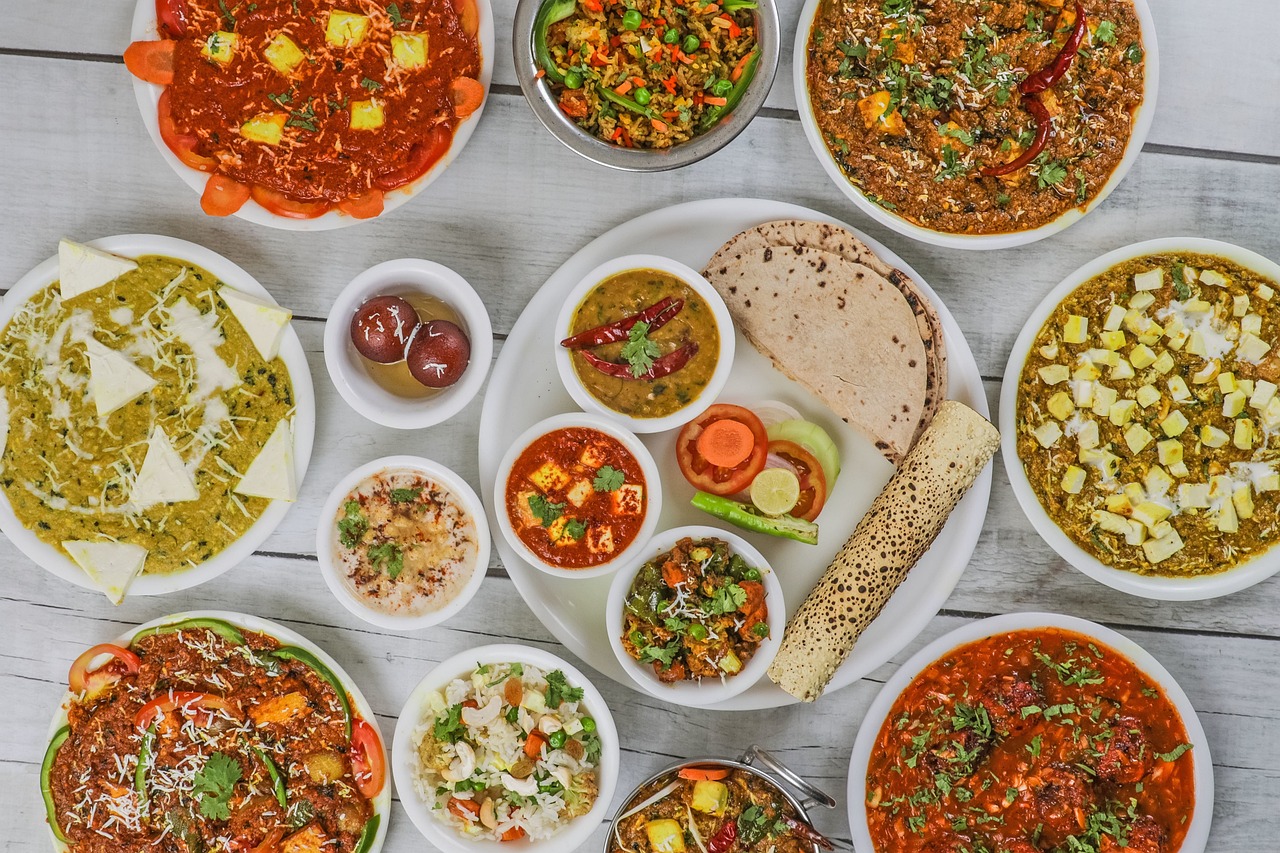
Plan dals for the week, not dinners. Monday moong, Tuesday masoor, Wednesday chana, Thursday tuvar, Friday rajma or chole, weekend kadhi. The sabzi slot fills itself from the market's cheapest shelf, and the rest of the thali barely changes. You will eat more variety with less decision fatigue — and decision fatigue, not laziness, is what actually sends families to food delivery apps on weeknights.
The expensive mistake in most kitchens is the single-hero dinner. The thali treats every dish as ensemble cast.
Meera Iyer
Portion sense without weighing anything
The traditional katori is a measuring cup in disguise. One katori dal, one katori sabzi, two rotis or one katori rice, half a katori curd. Seconds are allowed — the point of the small katori is that seconds are a decision, not a default.
Start this Sunday: write six dals on a slip of paper, stick it inside the masala dabba lid, and let the template carry the week.